01 · Beach
Waikīkī
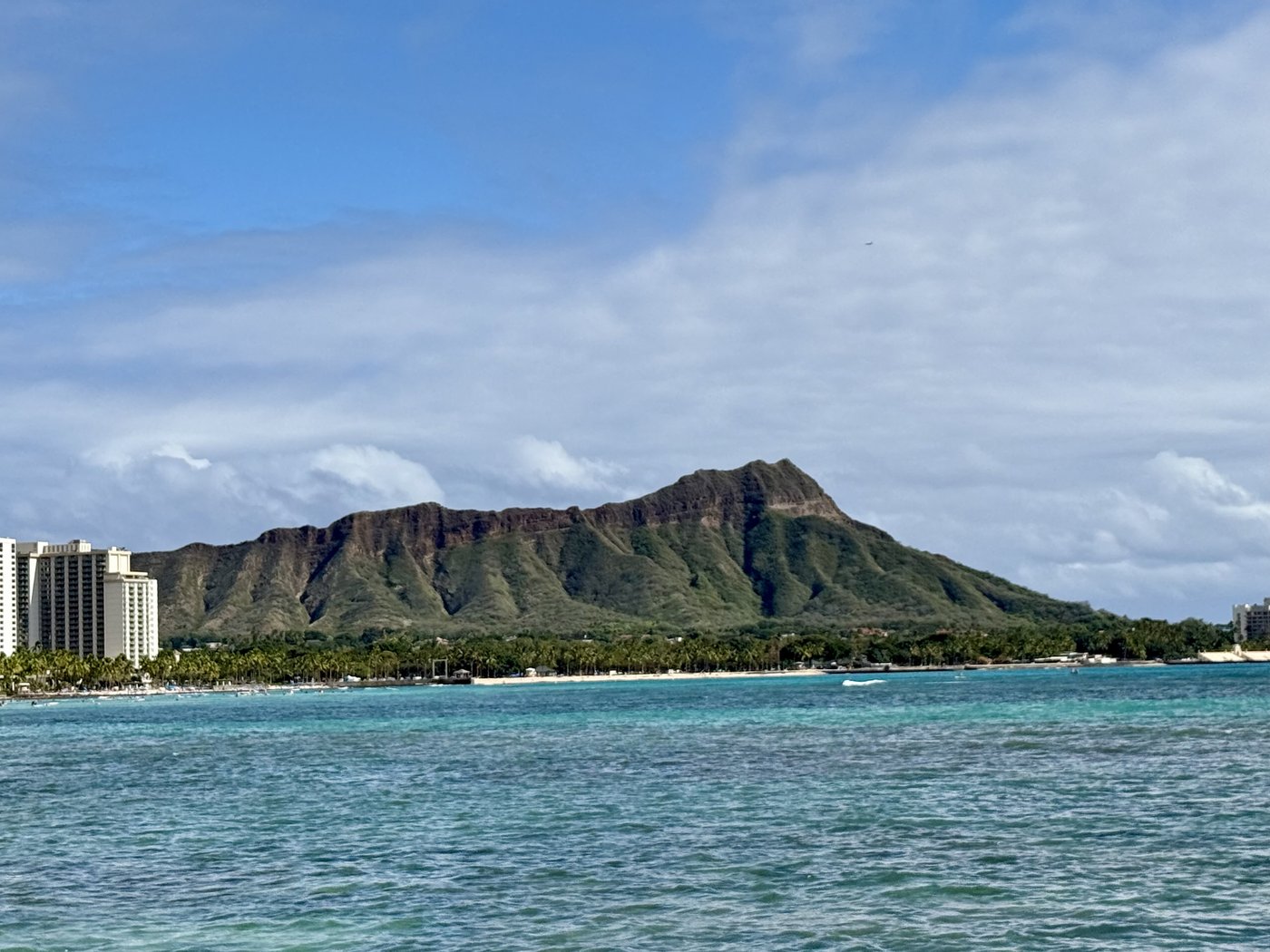
Go early for calmer streets and a classic first swim. The shoreline is urban, busy and unmistakably Honolulu.
swimsurf lessonsunset
Lēʻahi from Waikīkī · Photo: Farragutful / Wikimedia Commons · CC BY-SA 4.0Waikīkī and Lēʻahi. Photo: Hawaii Tourism Authority (HTA) / Tor Johnson
Honolulu works best when treated as a collection of neighborhoods rather than one long resort district. Waikīkī is the visitor hub; Ala Moana and Kakaʻako add beaches, shopping and contemporary city life; Downtown and Chinatown hold much of the city’s royal, civic and immigrant history.
That mix is the point. Spend the morning in the water, the afternoon in a museum or historic district, and the evening eating your way through a part of town that feels entirely different from the beach strip.
A balanced first pass at Honolulu: iconic shoreline, Hawaiian history, city neighborhoods, cultural collections and one high viewpoint.
Go early for calmer streets and a classic first swim. The shoreline is urban, busy and unmistakably Honolulu.
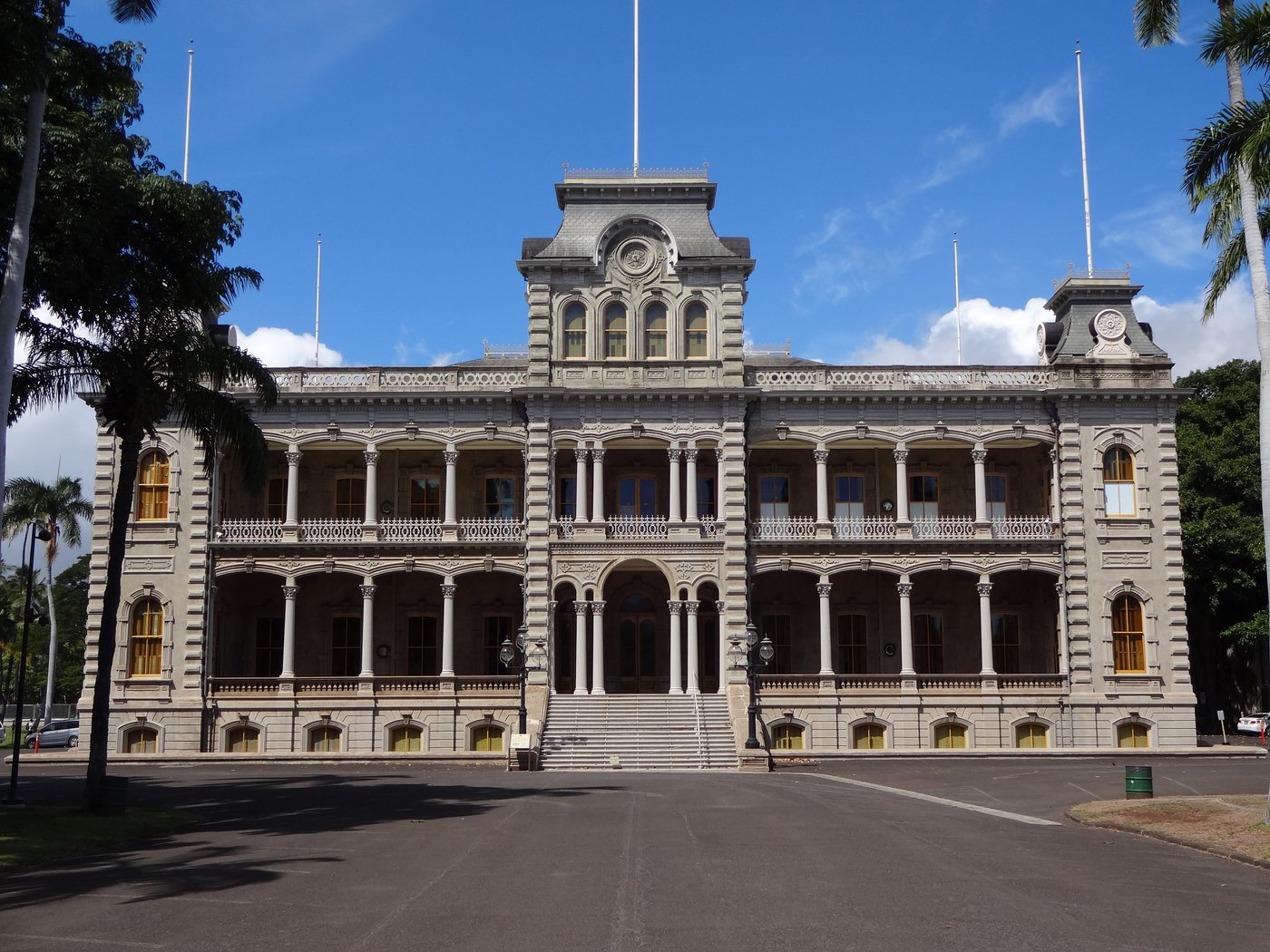
The former royal residence of the Hawaiian monarchy gives essential context for understanding the city and the kingdom’s final decades.
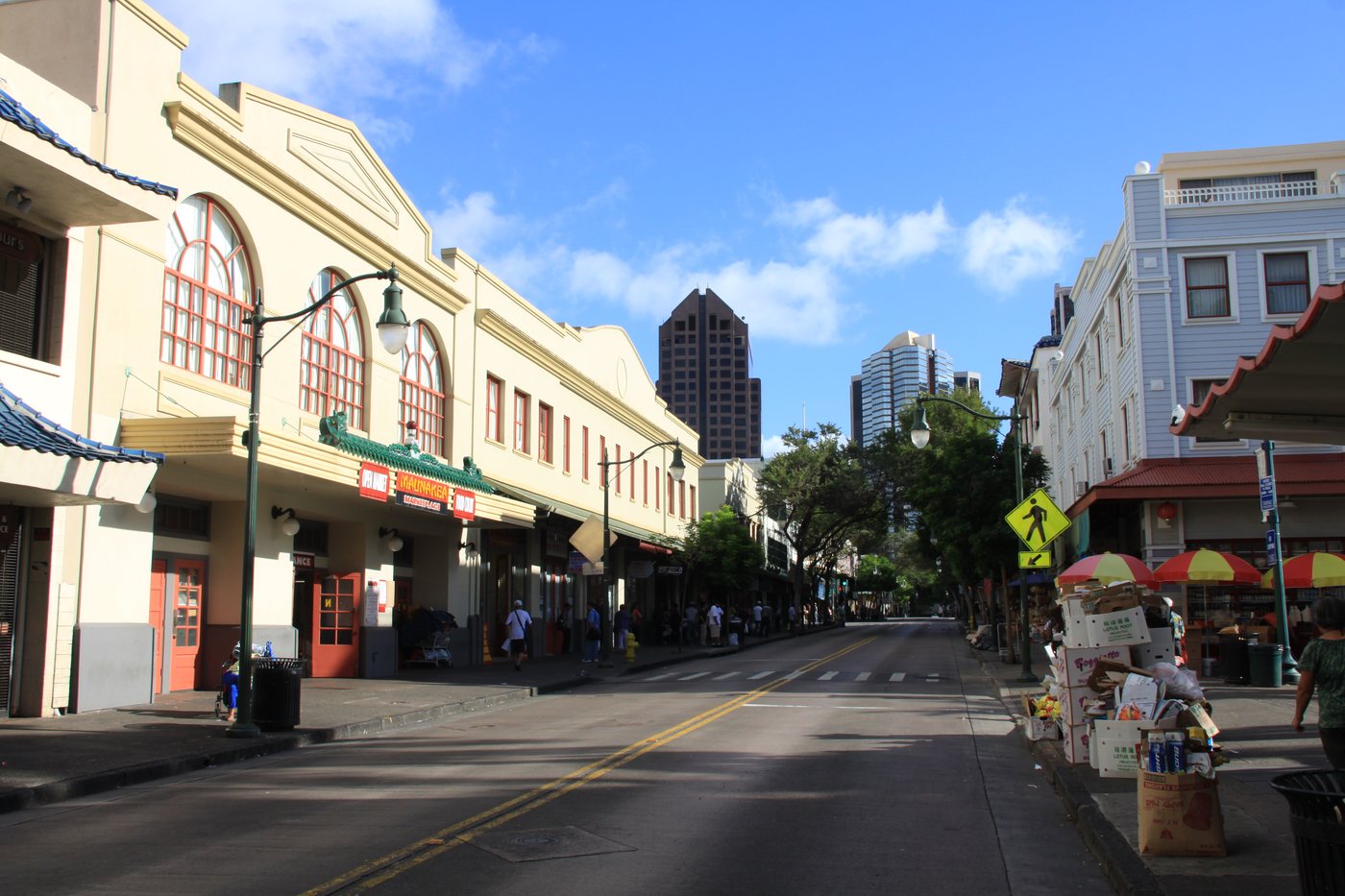
Markets, lei shops, historic blocks, galleries and some of Honolulu’s most interesting contemporary dining sit within a walkable grid.
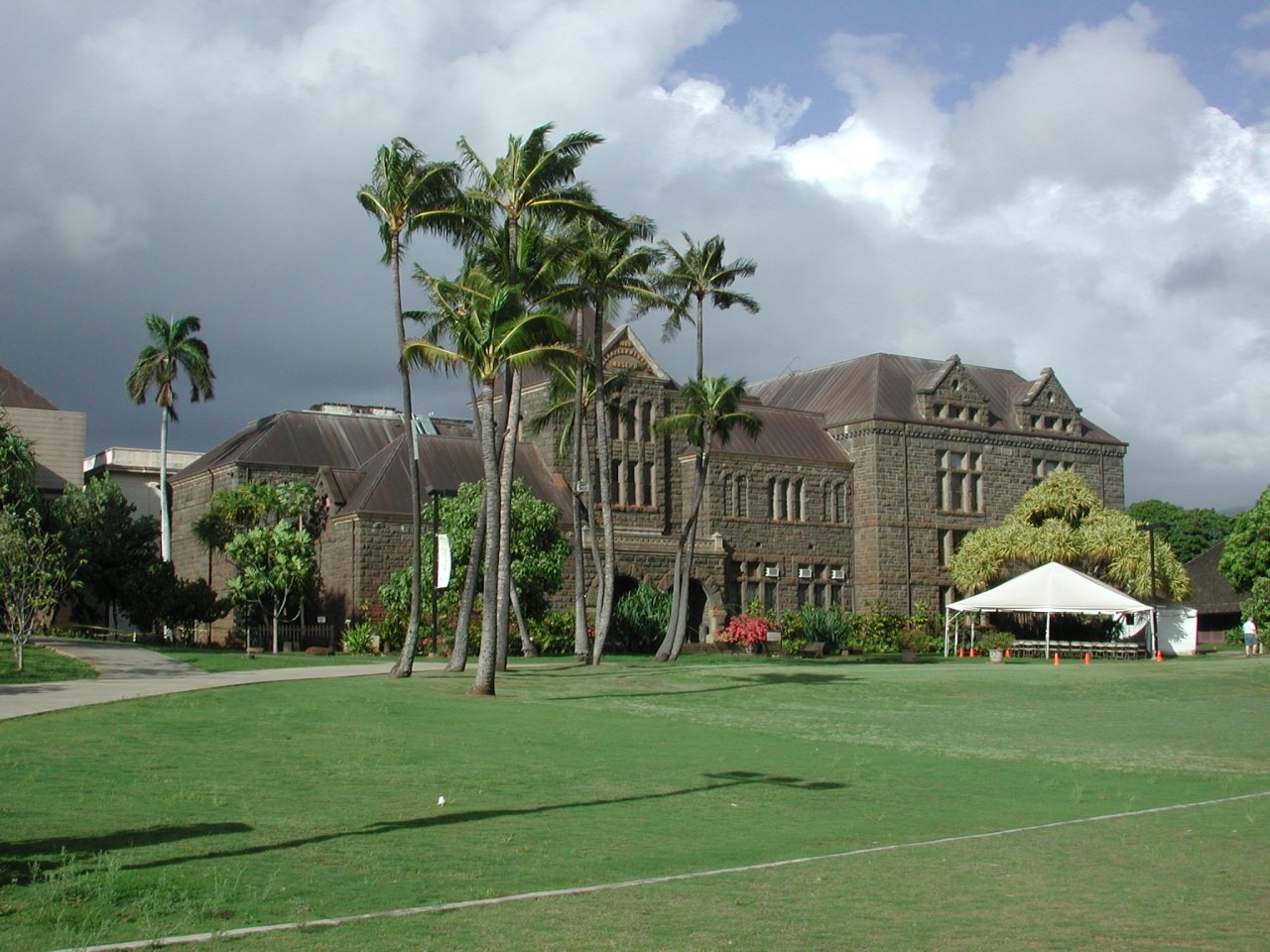
Make this your anchor museum for Hawaiian and Pacific history, culture and natural science; allow more time than you expect.
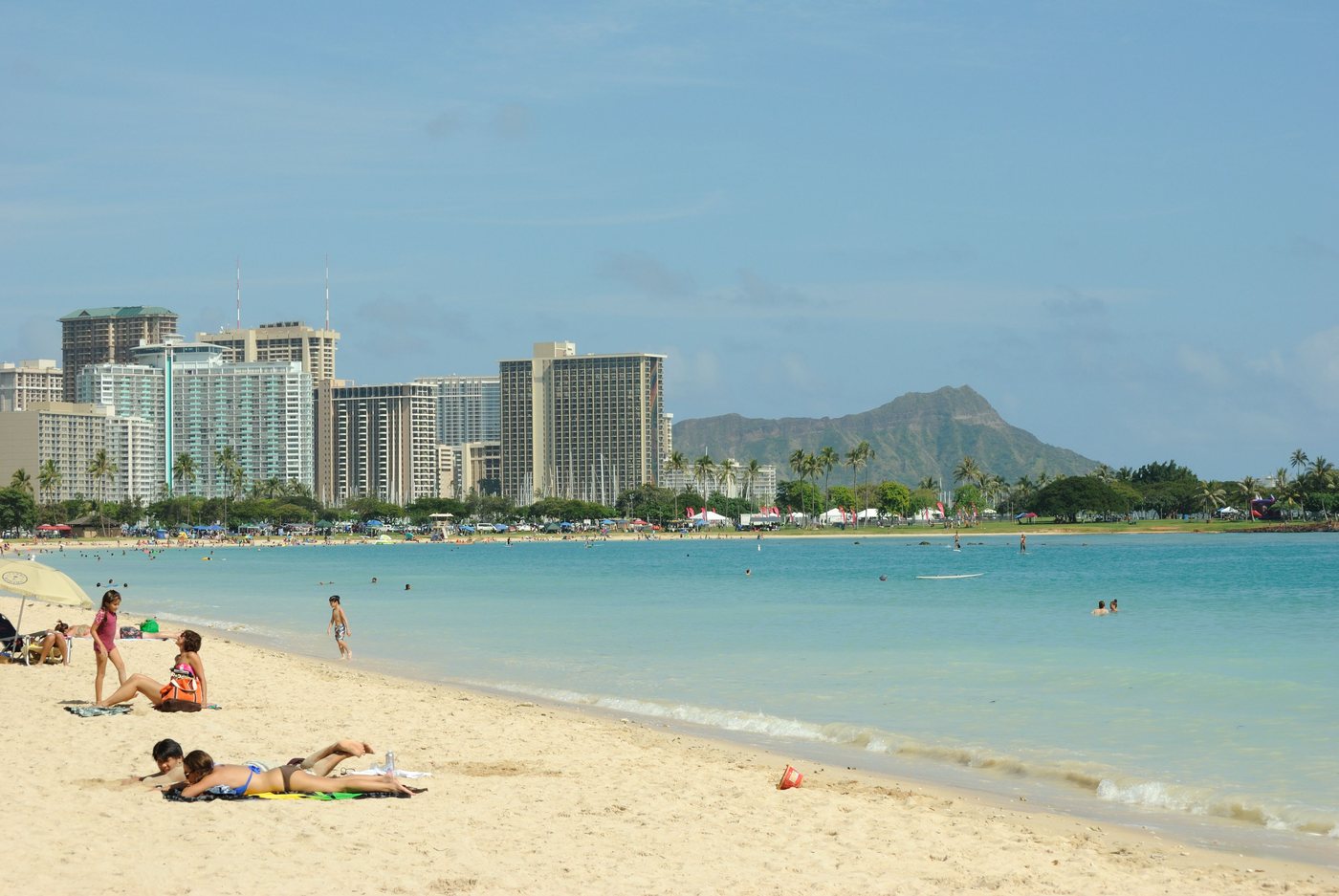
Wide lawns and a long sandy shoreline make this a useful counterpoint to Waikīkī, especially for an afternoon picnic or sunset walk.
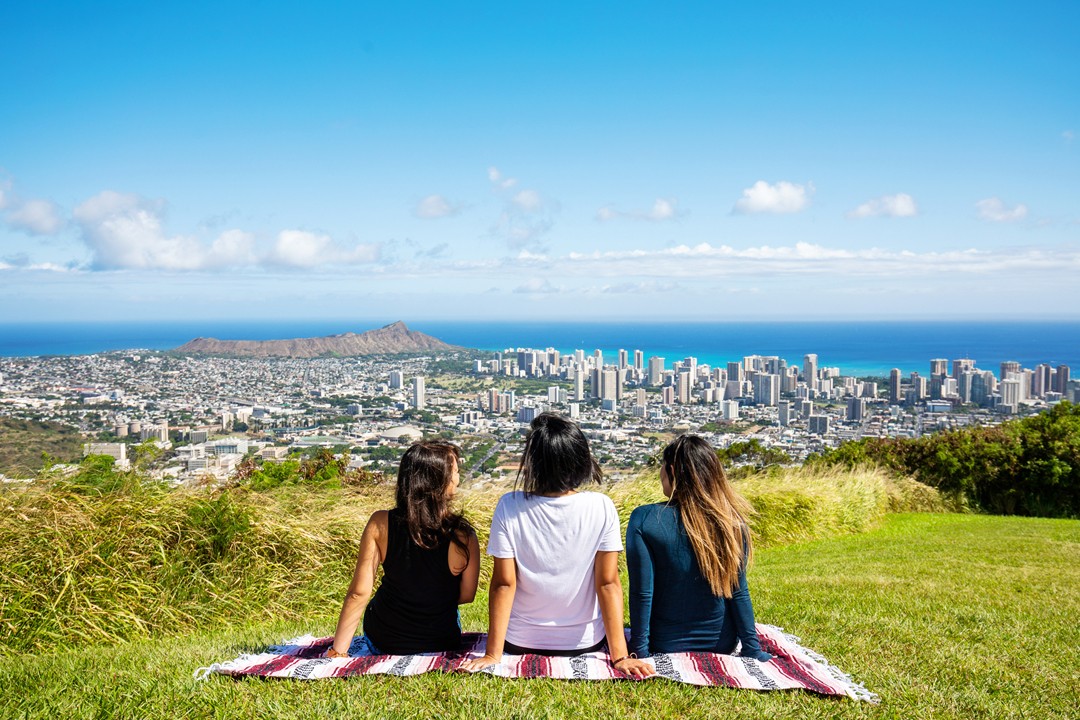
Trade street level for a broad view across central Honolulu, Waikīkī and Lēʻahi. Clear late afternoons are particularly striking.
Waikīkī for energy and convenience; Ala Moana for space; Kaimana for a smaller neighborhood feel at the Diamond Head end of Waikīkī.
Do not reduce the city to a checklist of famous restaurants. Honolulu’s food culture makes more sense by category and neighborhood.
Look for fresh, simply seasoned fish at markets and specialist counters. It works as breakfast, lunch or beach food.
A local comfort-food format built around rice, macaroni salad and mains reflecting Hawaiʻi’s many immigrant cuisines.
Use the district for Vietnamese, Chinese, Filipino and newer chef-driven kitchens, then walk the market streets between stops.
Malasadas, shave ice and bakery stops are best treated as part of a walk through Kapahulu, Kaimukī or nearby residential districts.
This sequence minimizes backtracking and keeps the hottest hours for museums, lunch and urban neighborhoods.
Start before the beach and sidewalks fill.
ʻIolani Palace, King Kamehameha statue and the civic district.
Markets, lei shops and historic blocks.
Beach walk, sunset and an easy first-night dinner.
Give the Hawaiian Hall and core exhibits unhurried time.
Lunch, murals and a short neighborhood walk.
Swim, picnic or walk toward Magic Island.
Finish above the city if the weather is clear.
Small planning choices matter more here than adding another attraction to the list.
TheBus serves the urban core extensively. Waikīkī itself is highly walkable; rideshare is useful for point-to-point trips, while a rental car is most valuable when you are leaving Honolulu.
Hotel and destination parking can be expensive or limited. If you rent a car, compare overnight parking cost against the number of days you actually need it.
Sun exposure is strong year-round. Plan outdoor walks earlier or later, carry water, and keep a flexible indoor option for passing showers.
Honolulu rewards neighborhood time. A good day usually has one anchor attraction, one food area and one stretch of shoreline—not six cross-city stops.