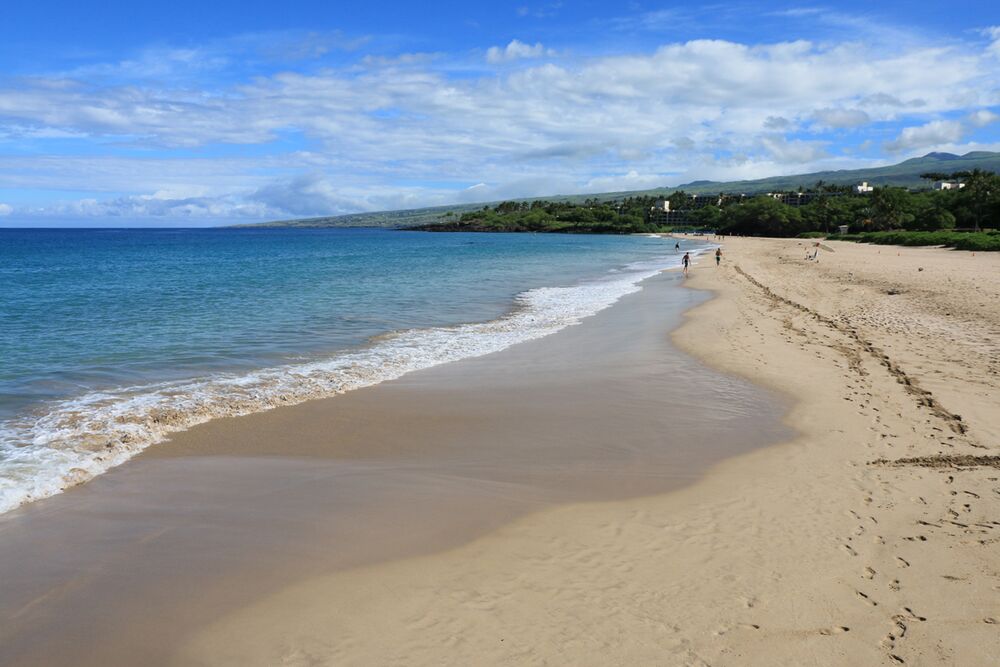
Kohala Coast
Beach days & sunsets
Dry, bright and resort-oriented. Base here for Hāpuna, coastal trails, snorkeling and easy access to north Kona.
Volcanoes, stargazing, black-sand shores, coffee country, rainforest waterfalls and clear Pacific water — all on one island built for the road.
Photo: Hawaii Tourism Authority (HTA) / Tor Johnson
Hawaiʻi Island rewards travelers who give it space. Distances are real, microclimates change quickly, and each coast feels distinct. Build your trip around a few strong bases rather than trying to race around the entire island.
Dry, bright and resort-oriented. Base here for Hāpuna, coastal trails, snorkeling and easy access to north Kona.
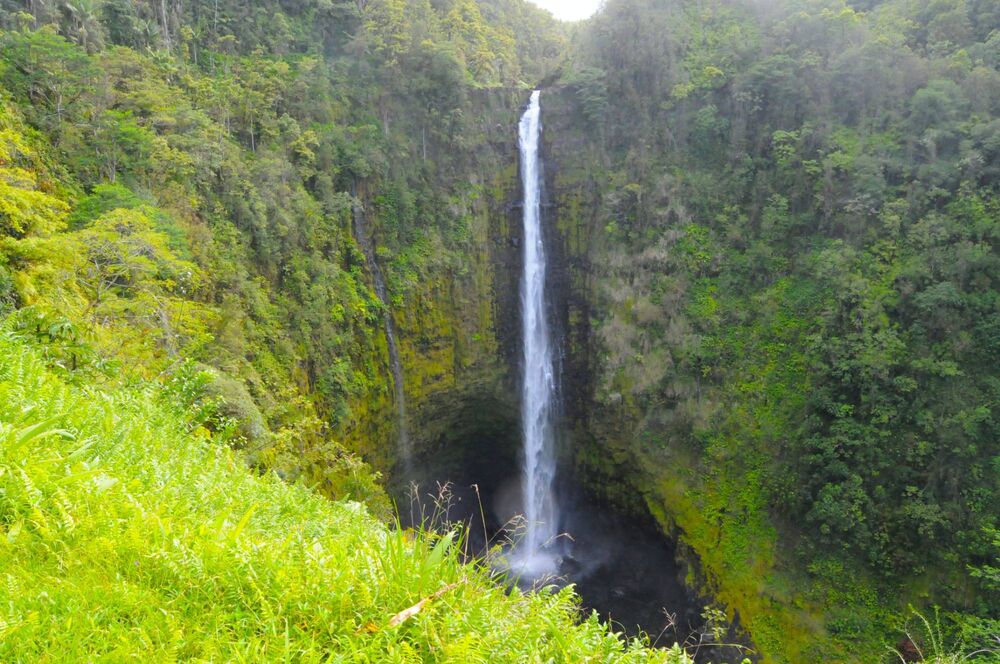
Choose the east side for lush scenery, historic Hilo, tropical gardens, ʻAkaka Falls and the dramatic Hāmākua Coast.
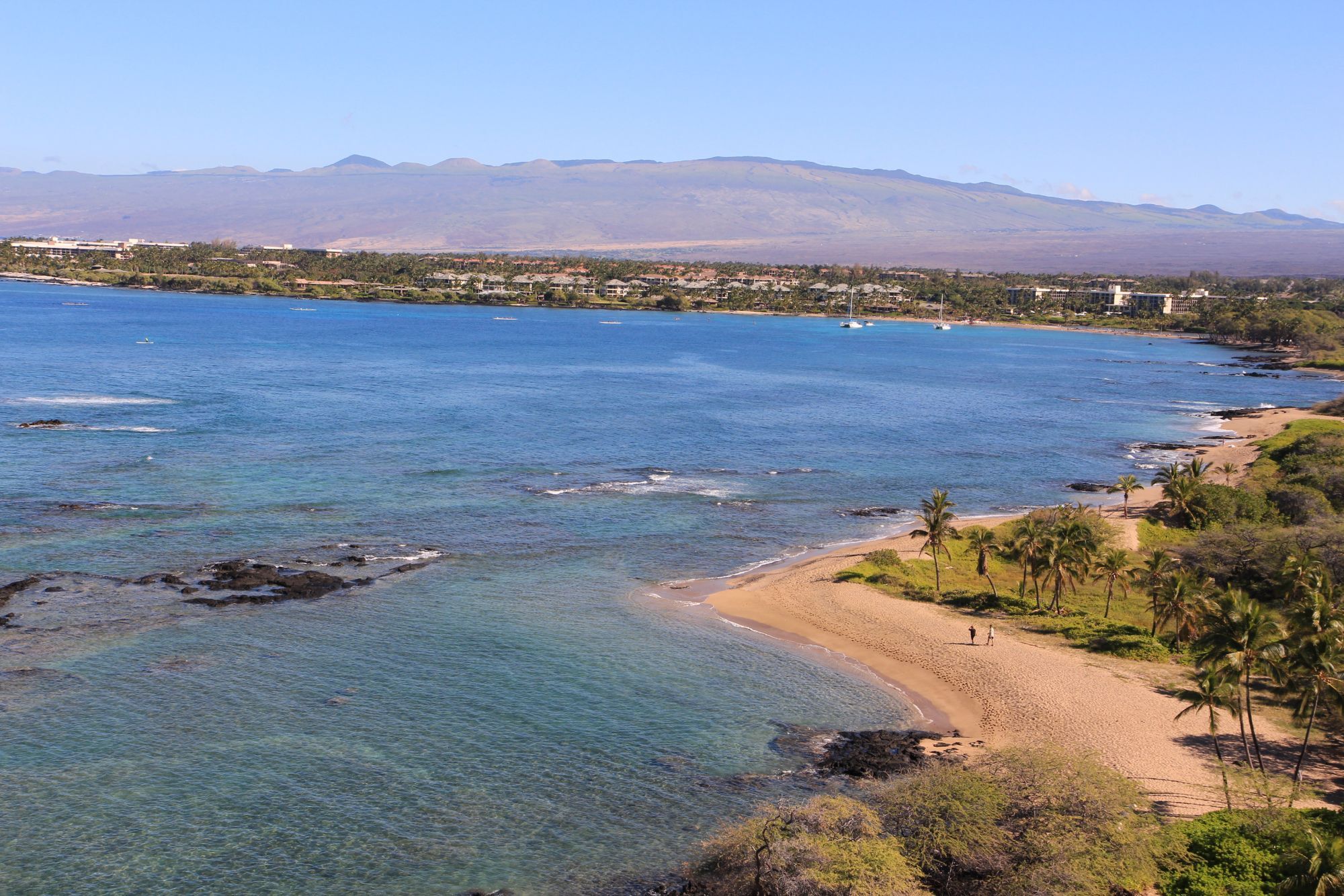
Sunny Kona combines historic sites, calm-water adventures, coffee farms and a broad choice of dining and lodging.
Hawaiʻi Volcanoes National Park is not a theme-park stop. Conditions, closures, visibility and volcanic activity can change. Start with official park information when you arrive and leave room in the day for weather and road changes.
Crater overlooks, lava landscapes, native forest and Chain of Craters Road.
Midday parking can be crowded. During active eruptive periods, traffic and viewing areas can become especially busy.
Park operations and visitor-center arrangements can change; verify the latest NPS alerts, closures and viewing guidance.
The summit area is much cooler than Kona’s coast, and weather can shift quickly.
Mauna Kea rises 13,803 feet above the Pacific — more than 33,000 feet from its base on the sea floor — and its summit sits above most of the island’s clouds and weather.
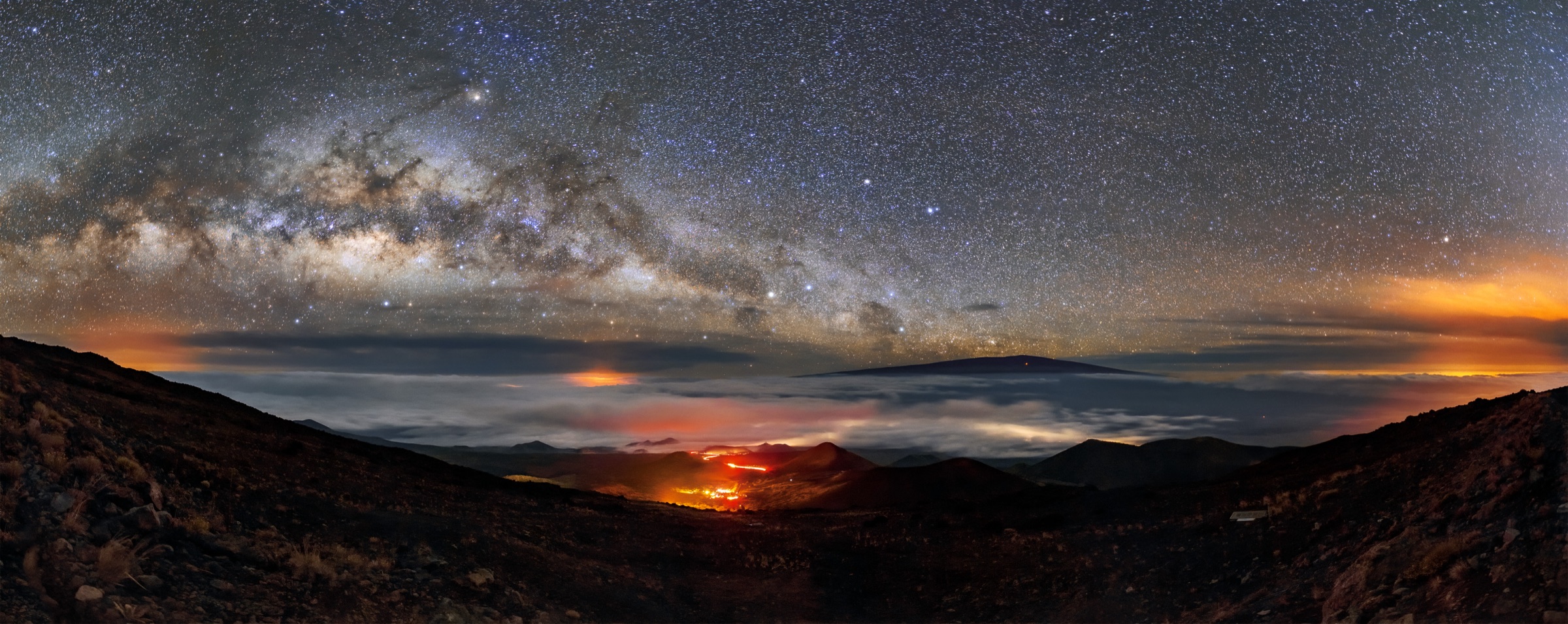
Dry, dark and remarkably still air makes the summit one of the best places on Earth to study the sky. About a dozen observatories from around the world work there, including Gemini North, Keck and Subaru.
For visitors, the stargazing happens lower down, at the Visitor Information Station at 9,200 feet. The summit closes after dusk, and the Milky Way can feel close enough to touch from the station. Mauna Kea is also a sacred mountain in Hawaiian tradition, so visit as a guest.
See the full Mauna Kea guide →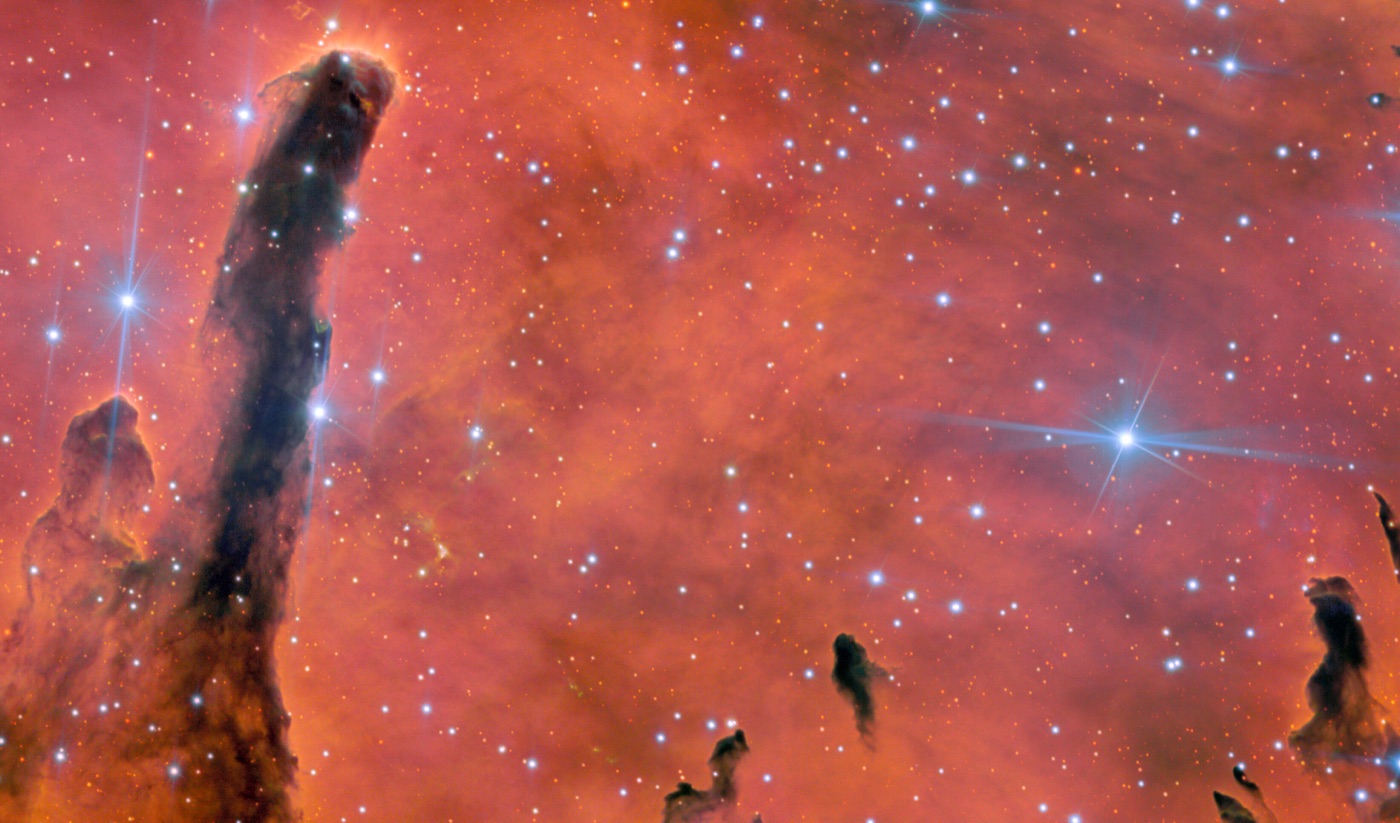
To celebrate 25 years since the completion of the International Gemini Observatory, students in Hawai‘i voted for the Gemini North telescope to image NGC 6820 — a striking emission nebula and open star cluster. The image was named Ua ʻŌhiʻa Lani, the Heavenly ʻŌhiʻa Rains, after the traditional Hawaiian story of the ʻŌhiʻa forests.
View the image on NOIRLab ↗Credit: International Gemini Observatory/NOIRLab/NSF/AURA · Image processing: J. Miller & M. Rodriguez (International Gemini Observatory/NSF NOIRLab), T.A. Rector (University of Alaska Anchorage/NSF NOIRLab), M. Zamani (NSF NOIRLab) · CC BY 4.0The island’s official visitor regions are Kona, Kohala, Hilo, Hāmākua, Puna and Kaʻū. A split stay — typically west side plus east or Volcano — reduces long backtracking drives.
Historic Kailua Village, coffee country, snorkeling, sunsets and the broadest concentration of visitor services.
Resort beaches, historic sites, drier weather and access to the island’s northwest valleys and coastline.
The island’s largest city, with markets, gardens, waterfalls and a distinctly lush east-side atmosphere.
Green cliffs, old plantation towns, waterfall country and sweeping coastal drives north of Hilo.
Young lava landscapes, rainforest roads and a more rural, off-the-main-resort-circuit feel.
Remote southern landscapes, Punaluʻu’s black sand and gateways into the national park.
A practical first visit pairs the sunny west side with Hilo or Volcano. It gives you beach time, cultural sites, waterfalls and a full national-park day without spending every day in the car.
Check in, walk the Kailua-Kona waterfront and keep the first evening intentionally light.
Coffee country, Puʻuhonua o Hōnaunau and snorkeling or a coastal stop.
Hāpuna Beach, coastal scenery and a north-island sunset.
Drive toward Hilo or Volcano. Treat the route itself as part of the trip; don’t overload the day.
Make this a full day, with flexible timing and an official conditions check before departure.
Waterfalls, gardens, local food and the scenic road north.
Market, coffee, a final swim or a short local walk before the airport.
Hawaiʻi Island is large, topographically extreme and full of localized weather. A good plan is structured enough to reduce driving, but loose enough to adapt.
For most visitors, a car is the simplest way to connect beaches, towns, parks and remote viewpoints.
Sun in Kona does not predict Hilo or Volcano. Keep a rain layer and warmer layer in the car.
Island roads are scenic and often slower than they look on a map. Leave room for spontaneous stops.
Stay on legal access routes, obey closures, keep distance from wildlife and treat cultural places as living places.