01Reserve ahead
Hanauma Bay · Photo by Bo Stern
Marine preserve
Oʻahu / Island field guide
A volcanic coast of blue-water coves, sun-baked ridges and the island’s wildest roadside drama.
Hanauma Bay · Photo by Bo Stern
Just beyond Honolulu, Kalanianaʻole Highway traces a raw, wind-cut edge of Oʻahu.
Come for Hanauma Bay’s reef, then keep going: past lava shelves, a famous blowhole, powerful shorebreak and a lighthouse path above the Kaiwi Channel. This is a compact region, but it rewards an unhurried pace.
02 Three signatures
A tightly edited first look at the southeast coast’s essential experiences.
Hanauma Bay · Photo by Bo Stern
Marine preserve
Lānaʻi Lookout · Photo by Luemen Rutkowski
Volcanic coast
Makapuʻu Lighthouse · Photo by little plant
Coastal hike
03 The field notes
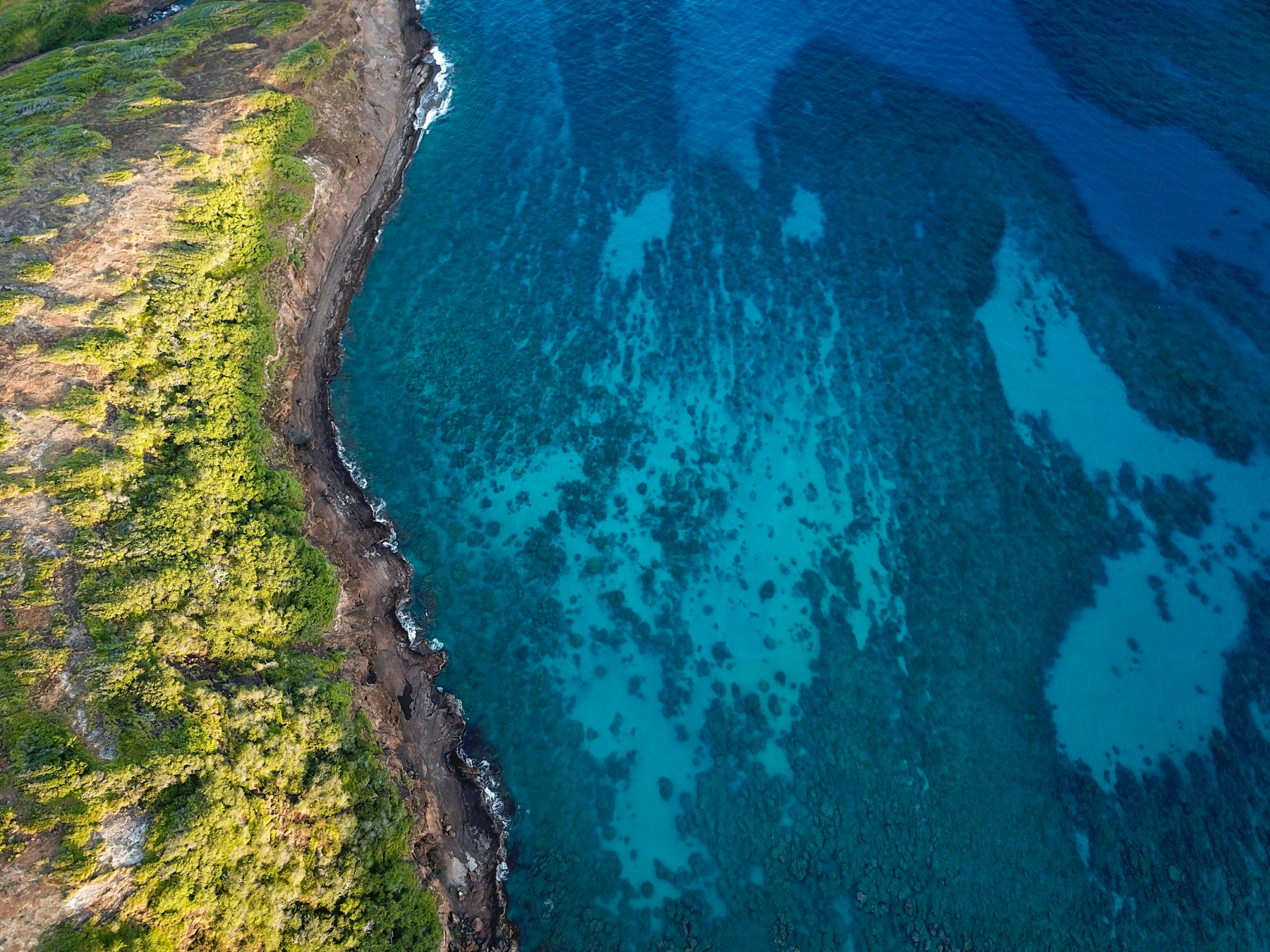
01 / Reef
The famous curve is more than a beach—it is Hawaiʻi’s first Marine Life Conservation District.
Arrive with time for the required orientation and move gently in the water: stand on sand, never coral, and keep your distance from marine life. Nonresident booking is capacity-controlled, so confirm the current reservation path before you plan the rest of the day.
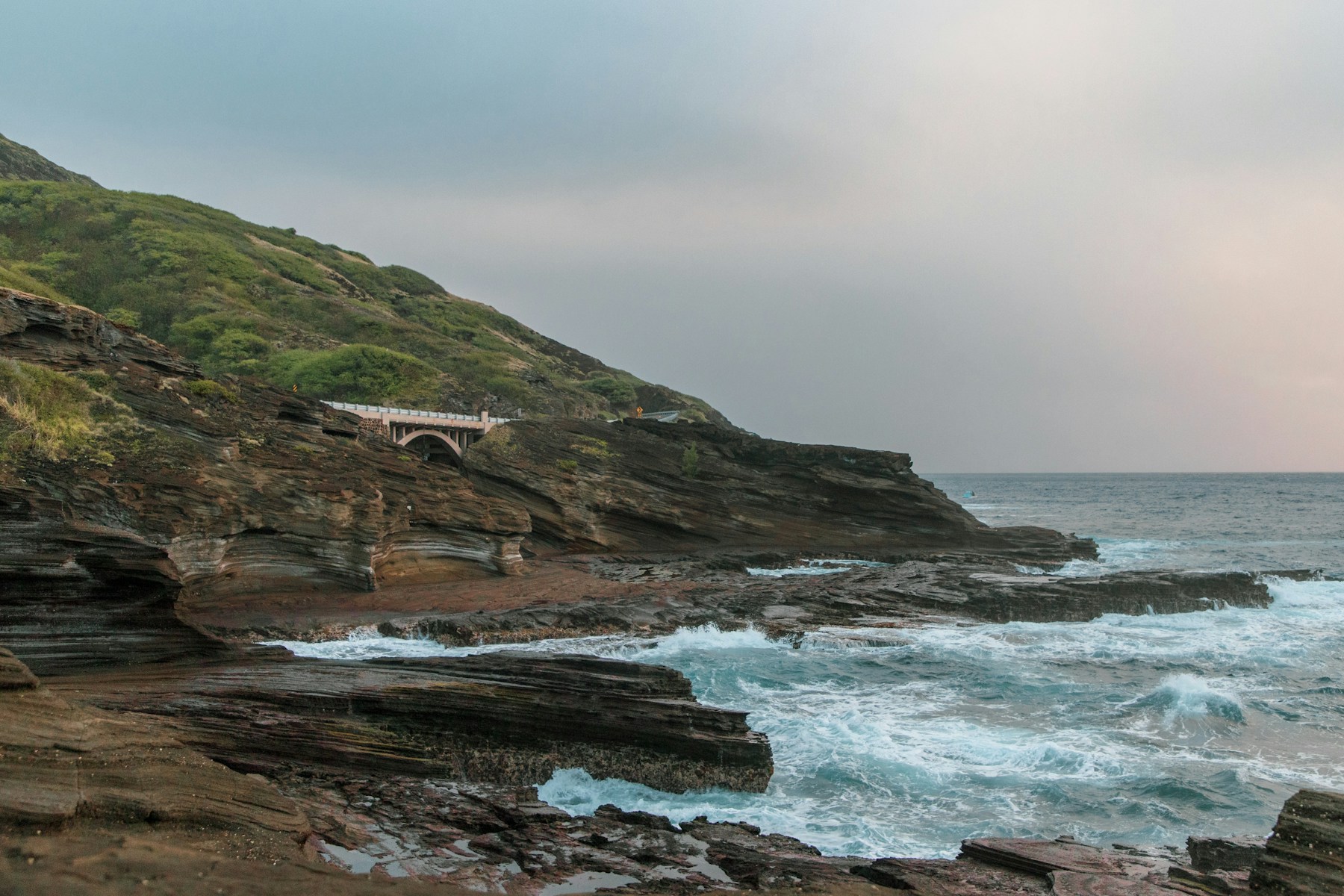
02 / Lava
Two roadside pullouts reveal the restless geology of the southeast coast.
At Lānaʻi Lookout, the channel opens beyond tilted lava shelves. A few minutes east, ocean surge enters a submerged lava tube and may burst through Hālona Blowhole. Enjoy both from established viewing areas—wet rock and sudden waves make the edge unforgiving.
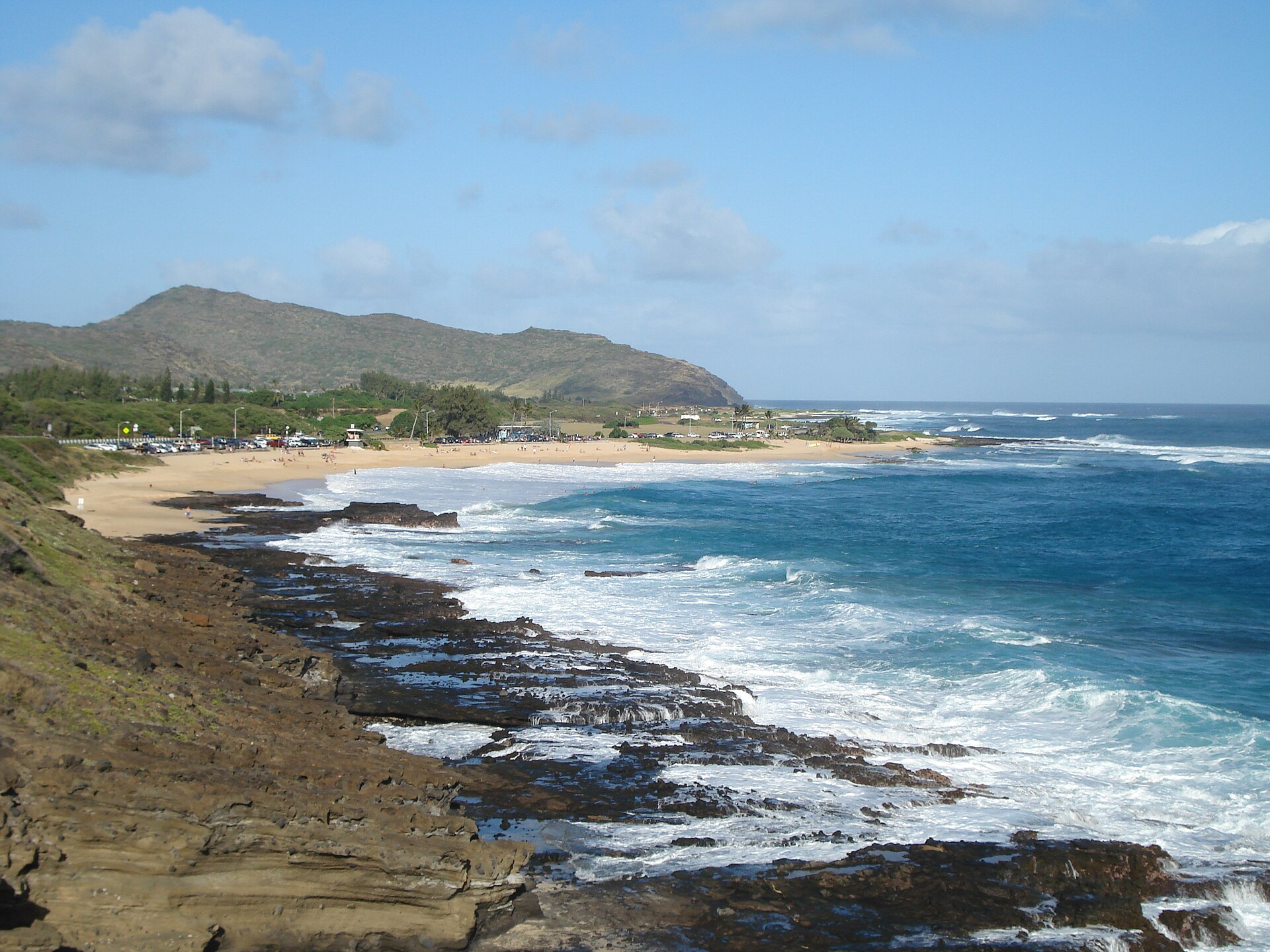
03 / Shorebreak
A broad crescent, a cobalt horizon and one of the island’s most powerful shorebreaks.
This is a place to watch skilled local bodysurfers and feel the force of the coast. Shorebreak can cause severe neck and spinal injuries in small or large surf. If you are not experienced with this exact kind of break, enjoy the spectacle from dry sand and ask a lifeguard before entering.
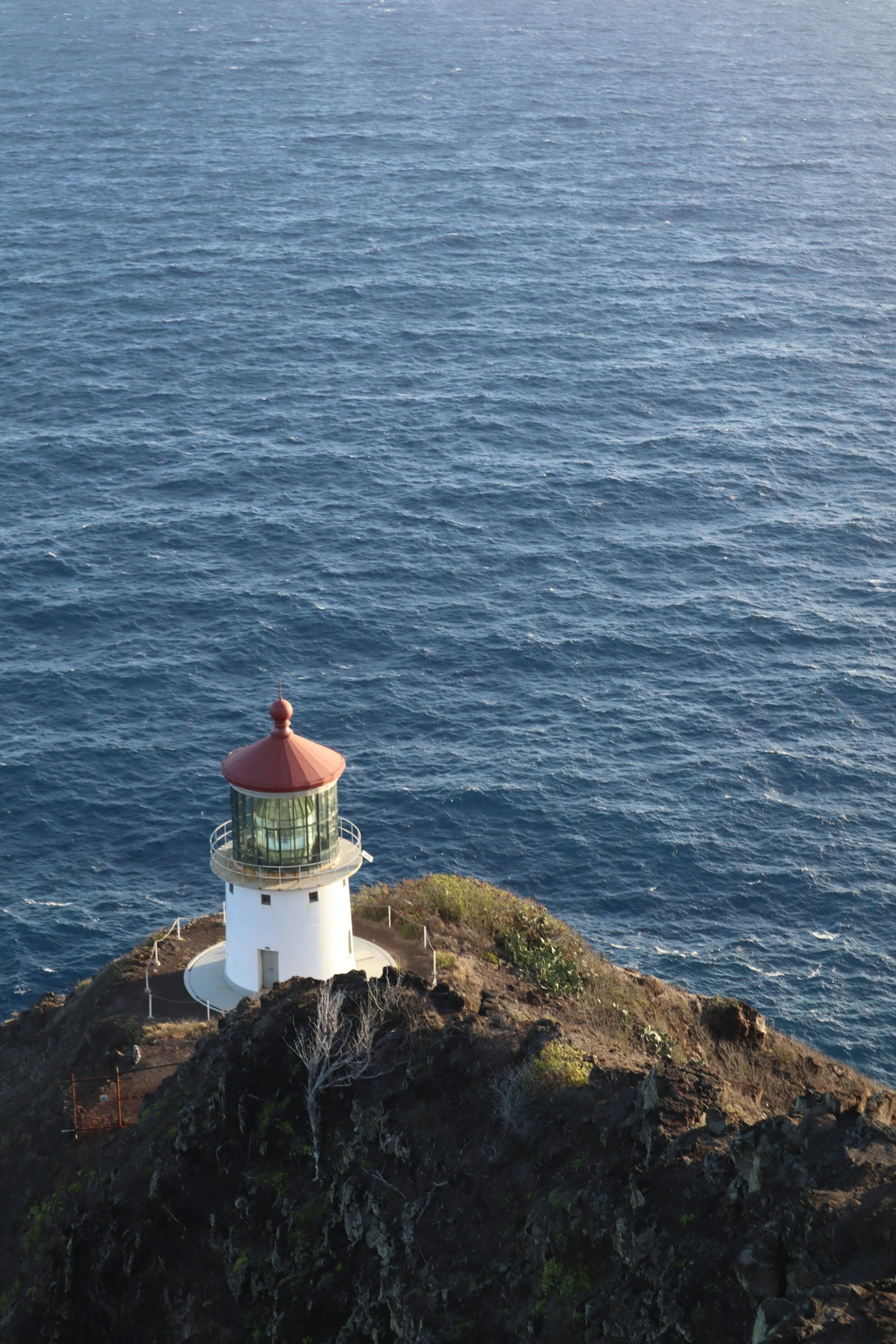
04 / Ridgeline
A paved, steadily climbing path where the dry leeward coast meets the trade winds.
The route is exposed, sunny and often windy at the top. State Parks recommends allowing about two hours; carry more water than you think you need. In winter, scan the channel for humpback whales from the overlooks.
04 Plan the day
Choose a pace. We’ll sequence the stops so the day builds from calm water to big views.
Full day / Eastbound
05 Before you go
The southeast is drier, hotter and more exposed than windward Oʻahu. Carry water even for paved trails.
Conditions change quickly. Read posted signs, look for lifeguards and never turn your back on the surf.
Pack out every item, stay on established paths and never remove rock, coral, sand or cultural objects.
Use Hawaiian place names, keep music low and give wildlife, residents and other visitors room.
Photo by Austin Schmid