01
Stay for golden hour
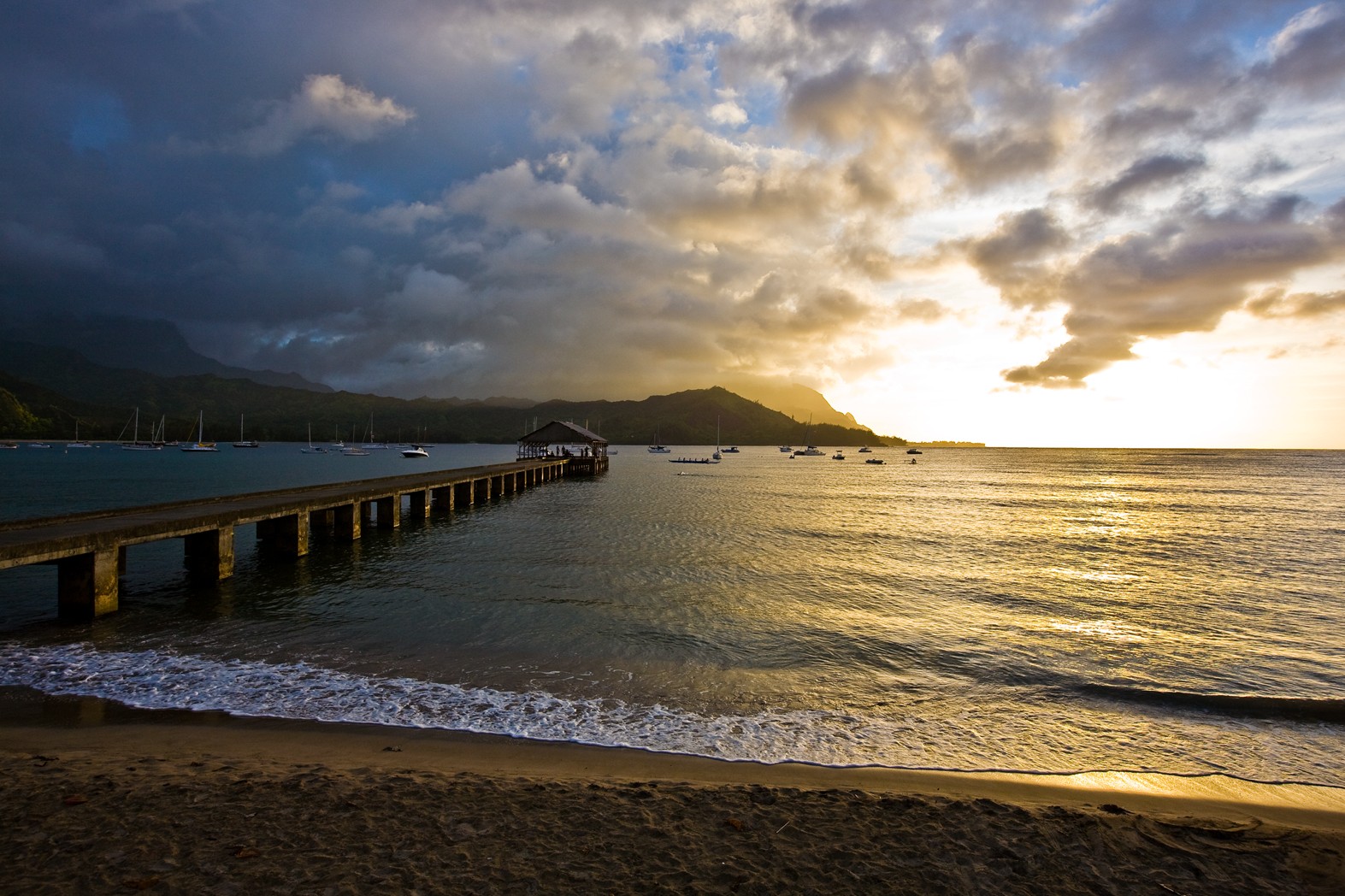
Hanalei Bay changes character by the hour. Come back near sunset for a long beach walk and silhouettes along the pier.
Photo: Hawaii Tourism Authority (HTA) / Tor Johnson
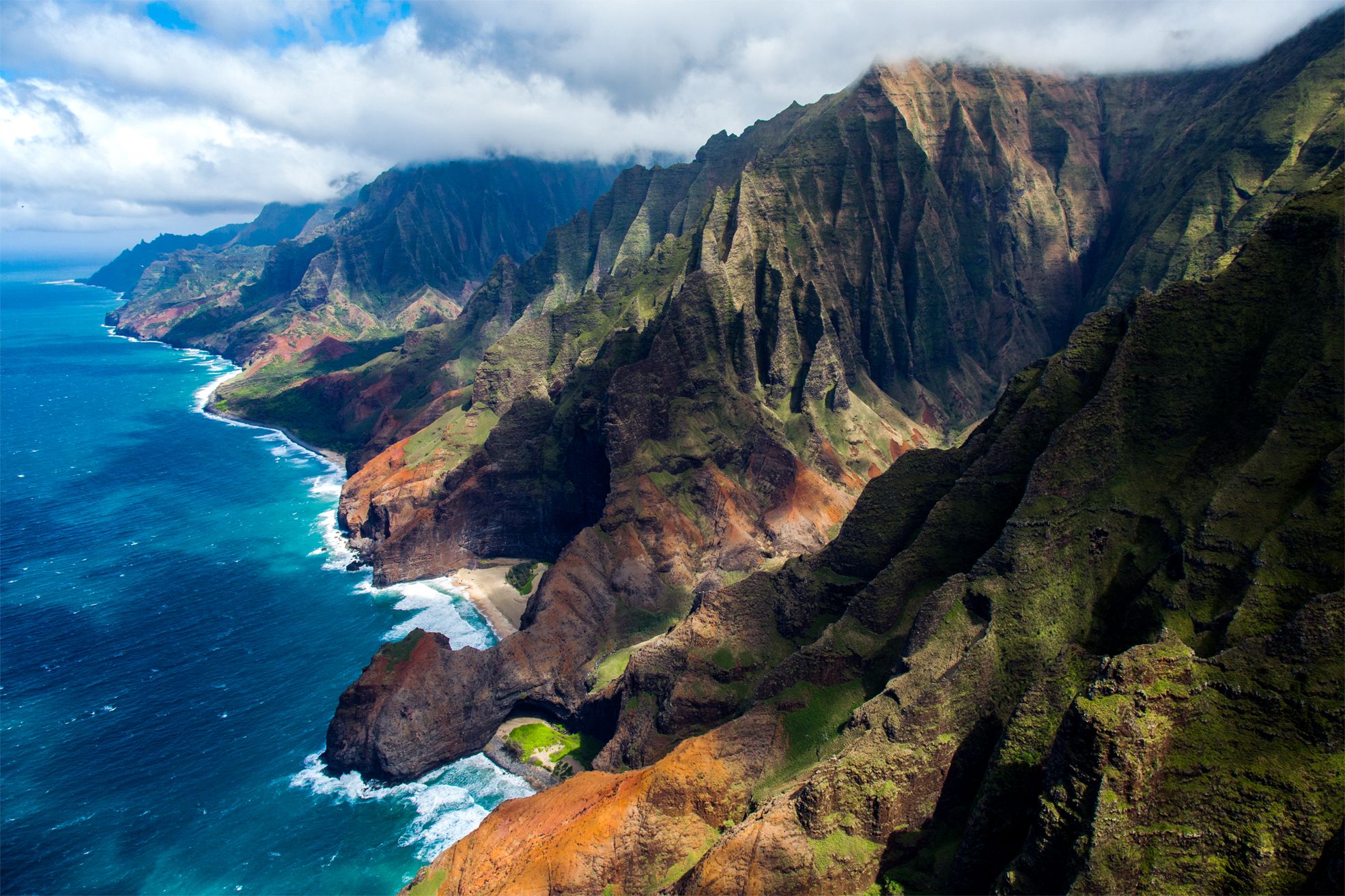
Rain-carved mountains, crescent beaches, kalo fields, reef-lined coves and the final miles of road before Kauaʻi gives way to the Nāpali wilderness.
Hanalei Pier. Photo: Hawaii Tourism Authority (HTA) / Tor Johnson
West of Princeville, Hanalei opens into a broad valley backed by waterfall-streaked green mountains. Continue toward Hāʻena and the landscape grows wilder: beaches sit beneath Makana, roadside caves appear in the cliffs, and the highway ends at Kēʻē beside the Nāpali Coast.
Hanalei Bay changes character by the hour. Come back near sunset for a long beach walk and silhouettes along the pier.
Photo: Hawaii Tourism Authority (HTA) / Tor Johnson
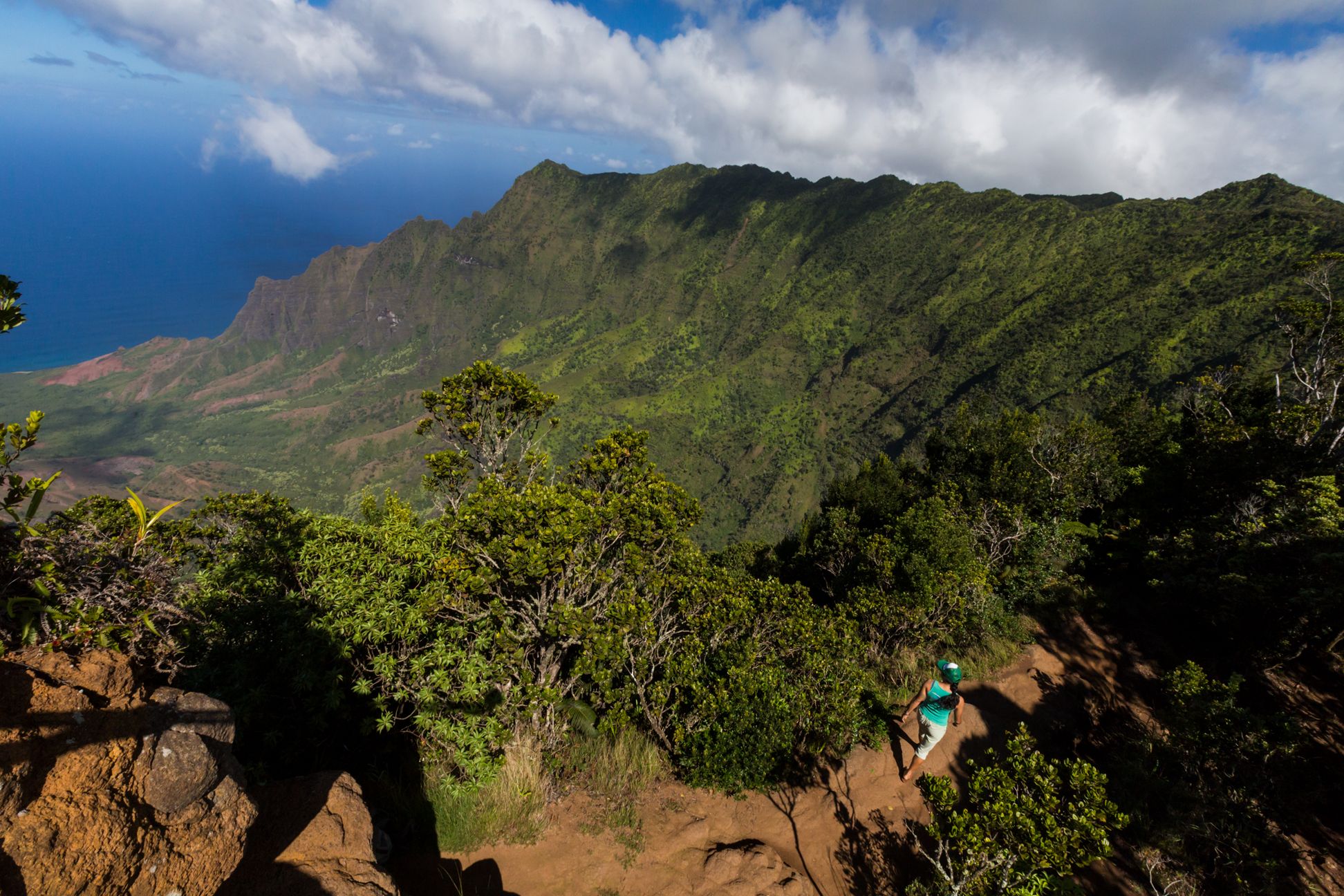
Beyond Hāʻena, Highway 560 finishes at Kēʻē and the trailhead for the Kalalau Trail — entry is controlled, so reservations matter.
Photo: Hawaii Tourism Authority (HTA) / Tor Johnson
Distances are short, but the North Shore works best when you resist stacking too many stops into one day.
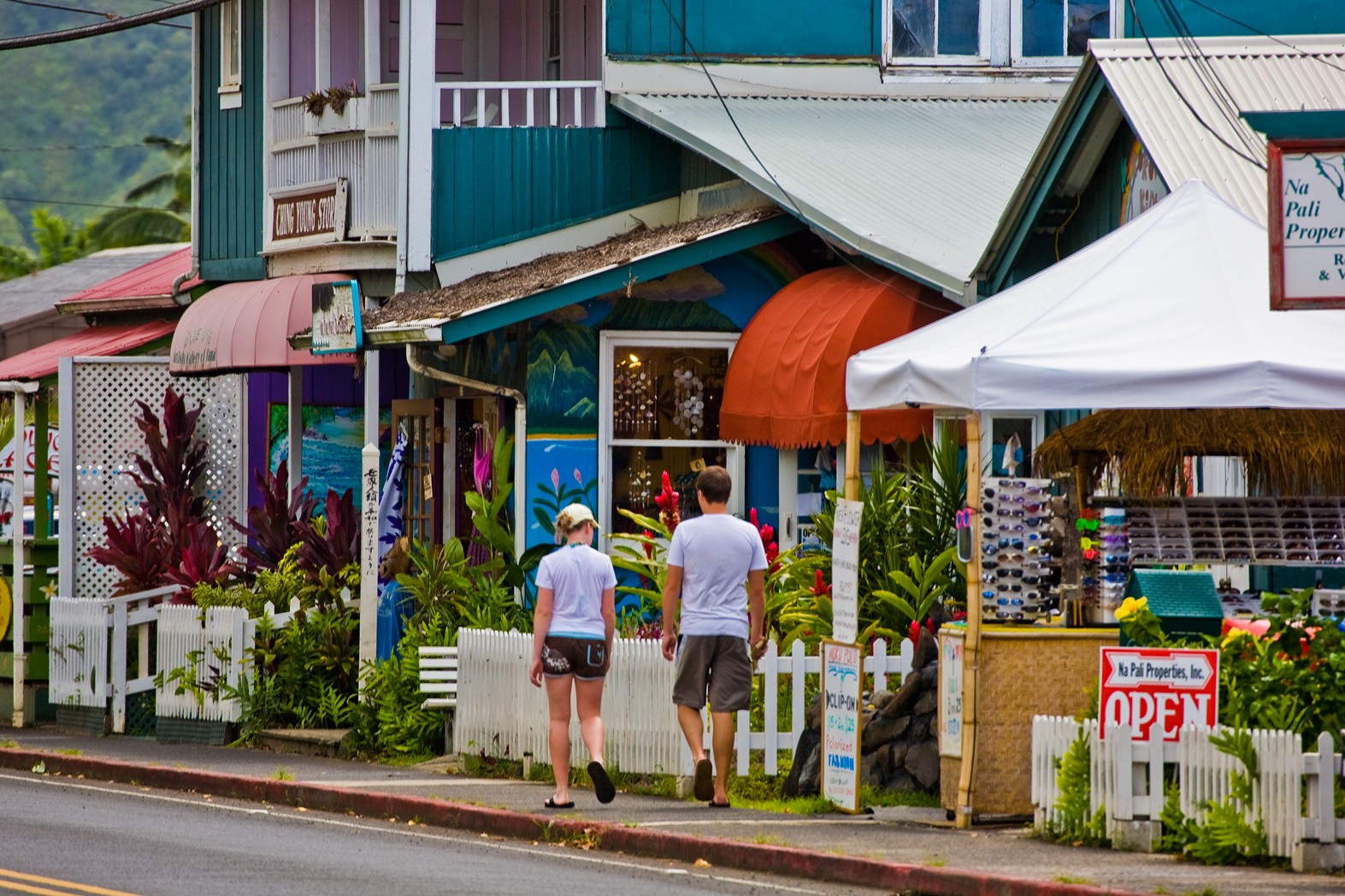
Low-key cafés, galleries, surf shops and local landmarks make this the natural pause between beach time and drives farther west.
Photo: Hawaii Tourism Authority (HTA) / Tor Johnson
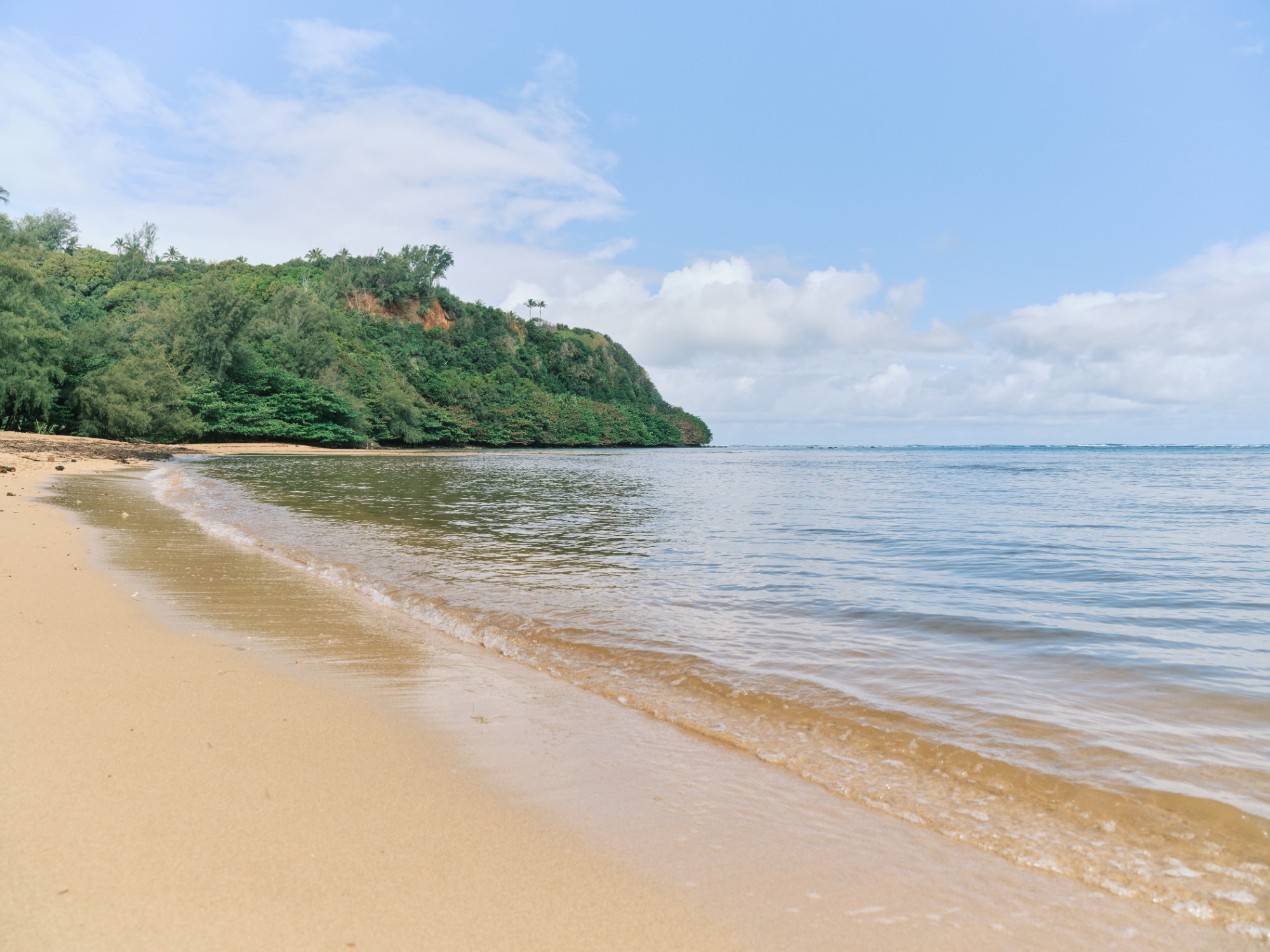
A long, quiet strand behind one of Kauaʻi’s widest fringing reefs, where the water is often shallow and calm. Still check conditions: winter swells and reef-channel currents change the picture.
Photo: Hawaii Tourism Authority (HTA) / Ben Ono
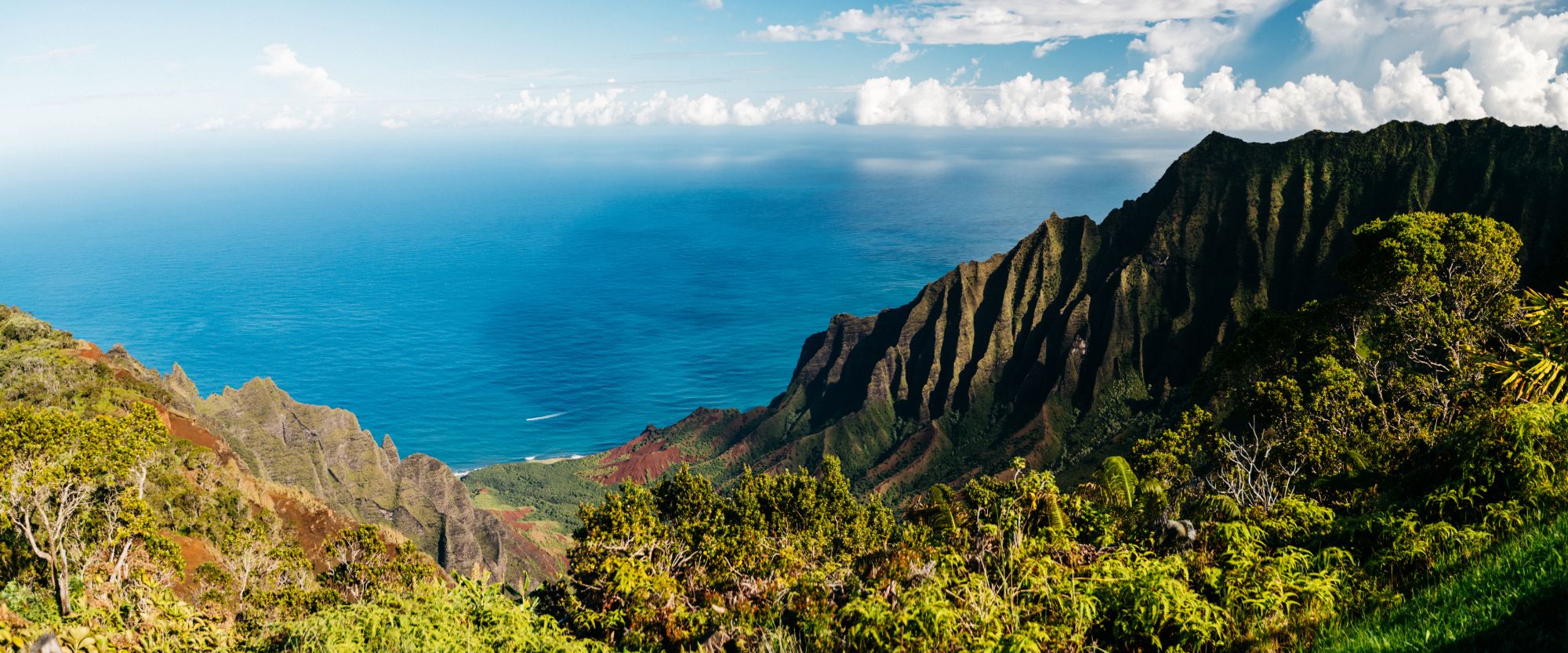
Day hikers can continue from Kēʻē toward Hanakāpīʻai. Expect roots, mud, heat and exposed coastal terrain — this is a real hike, not a beach stroll.
Kalalau Lookout. Photo: Hawaii Tourism Authority (HTA) / Ben Ono
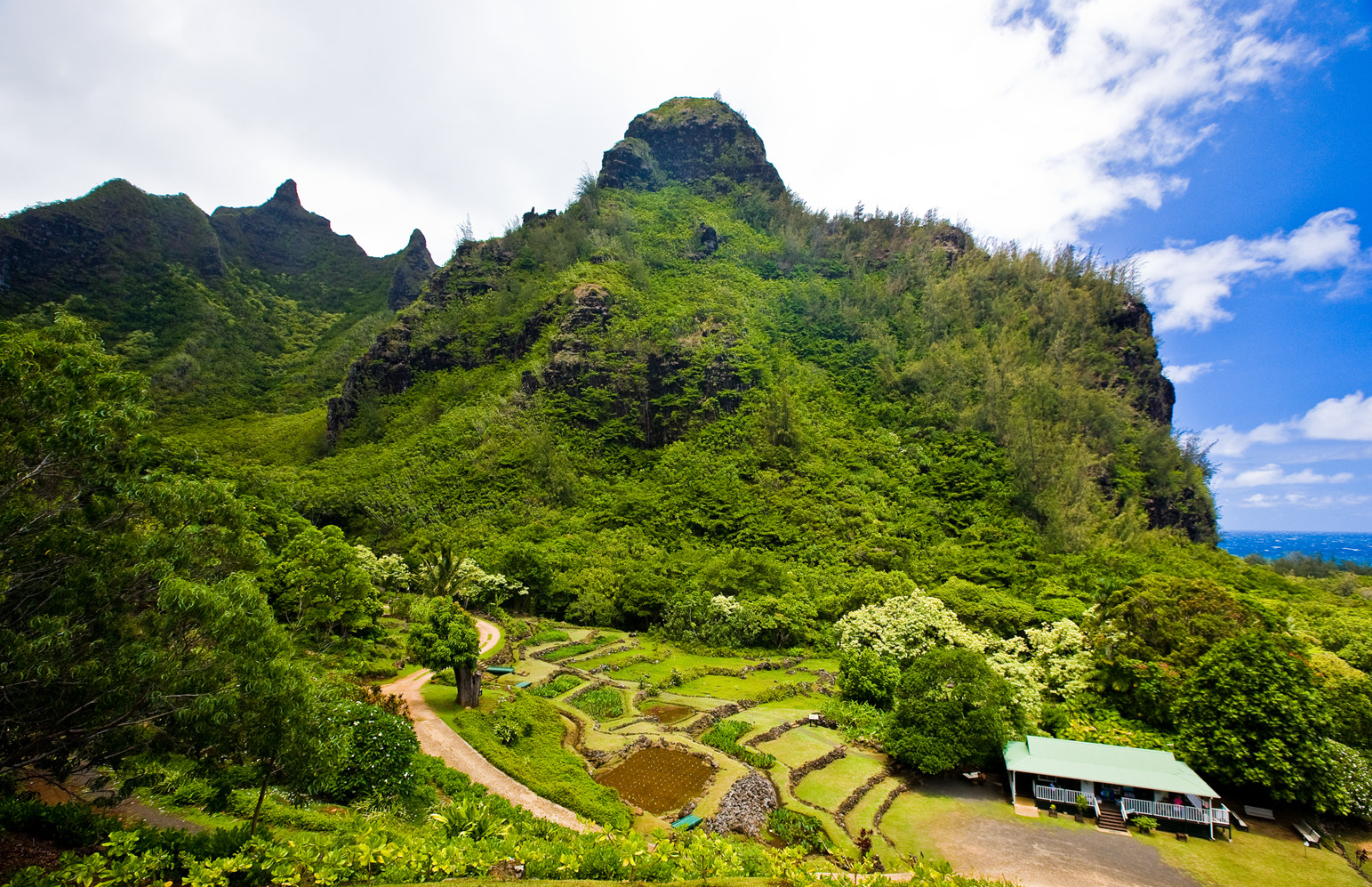
Centuries-old loʻi kalo terraces and native plants climb a valley below Makana. A self-guided walk traces how Hawaiians lived here from mountain to sea; reserve your visit in advance.
Photo: Hawaii Tourism Authority (HTA) / Tor Johnson
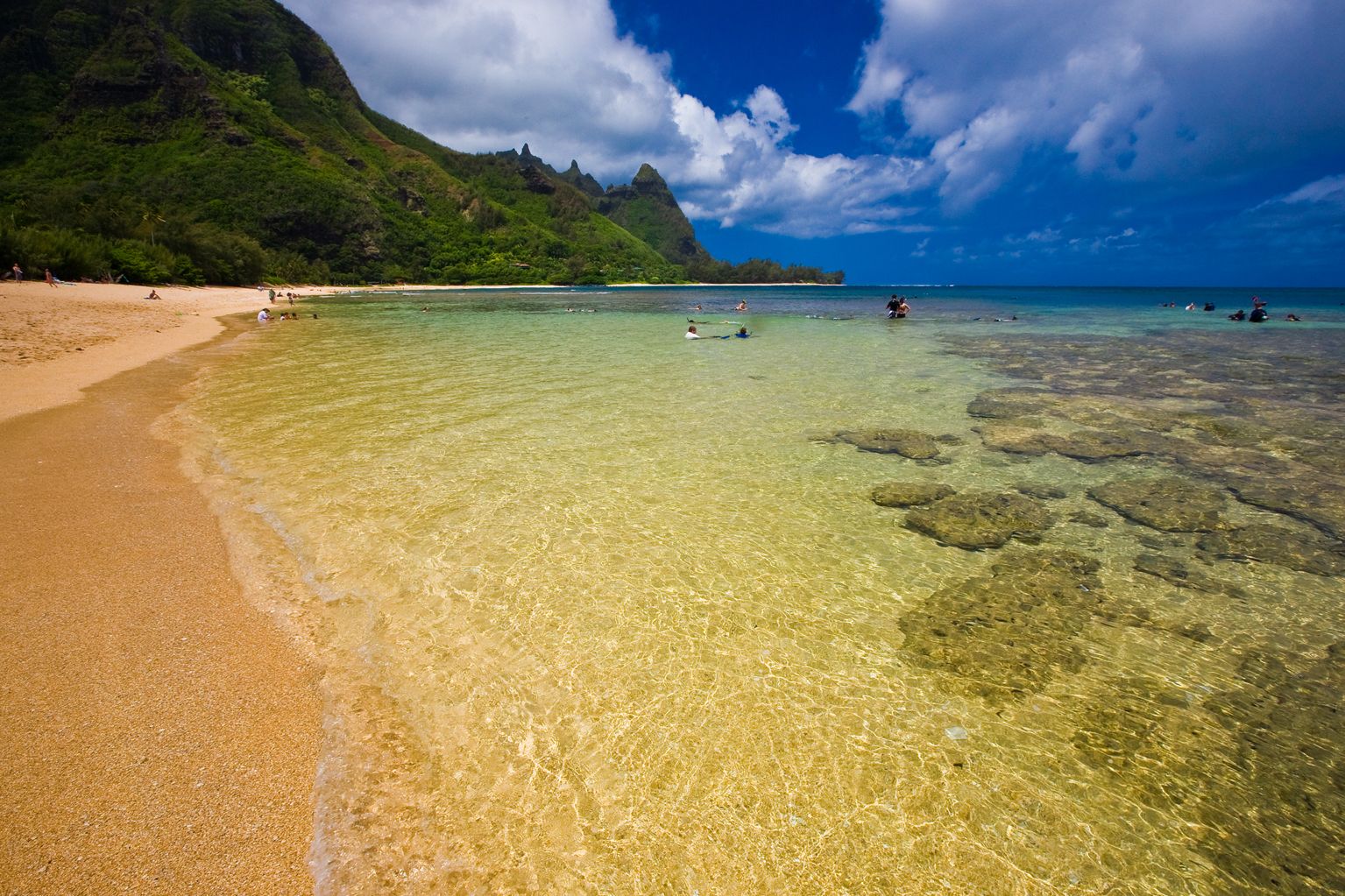
The last beach at the end of the highway and the coastal threshold of the Nāpali wilderness. Calm-day reef views can be exceptional.
Photo: Hawaii Tourism Authority (HTA) / Tor Johnson
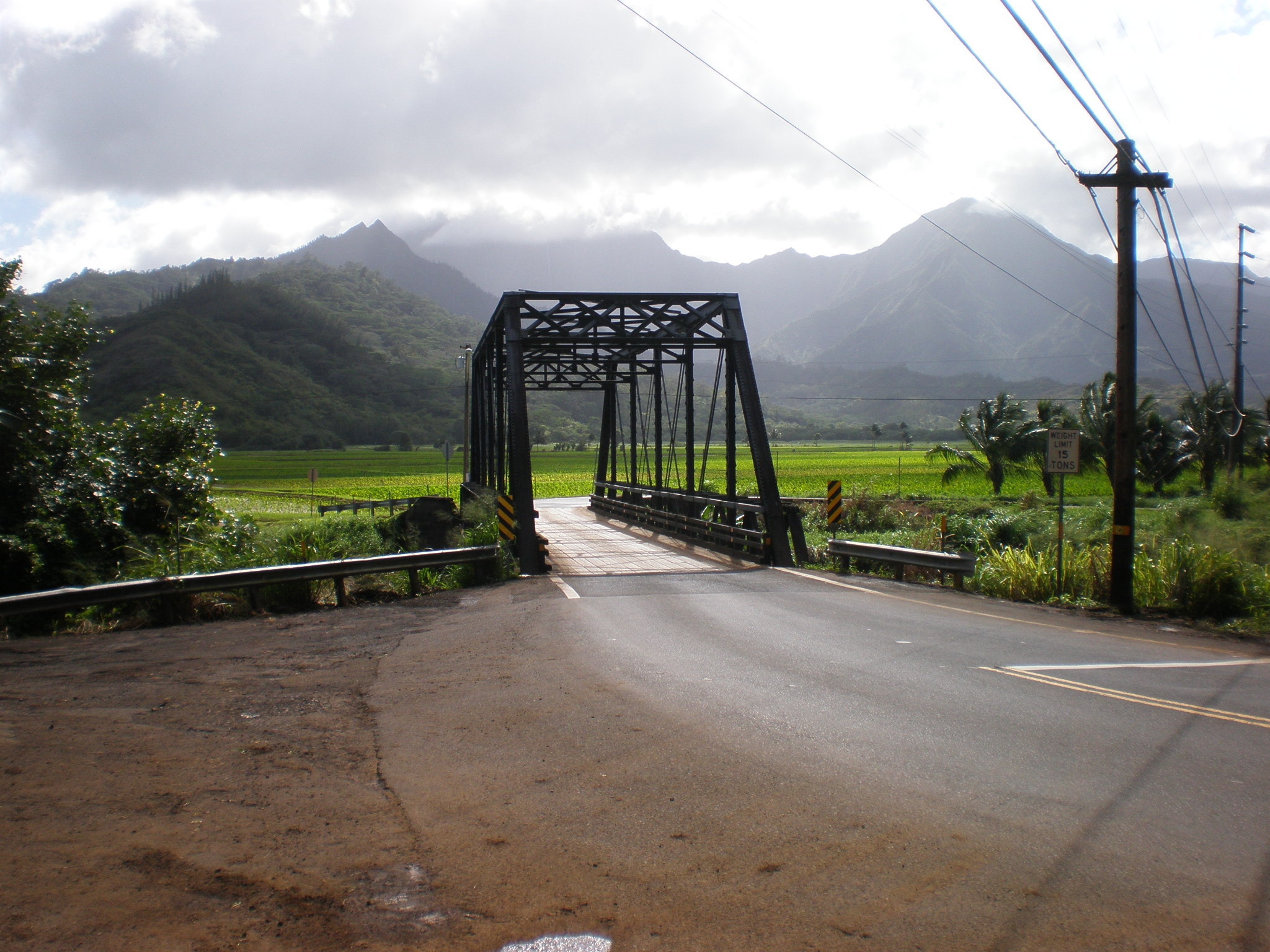
One-lane bridges, dense foliage, beach pullouts and old coastal neighborhoods make the short road west of Hanalei part of the experience.
Photo: Hanalei Bridge by Joel Bradshaw, public domain via Wikimedia Commons
Hāʻena State Park uses visitor limits. Non-resident entry, parking and shuttle access should be reserved before arrival.
State Parks currently lists day-use entry and parking reservations as available up to 30 days ahead. Popular dates can disappear quickly.
Day-use access covers the route to Hanakāpīʻai; hiking farther along the Kalalau Trail requires the appropriate Nāpali Coast wilderness camping permit.
Weather, surf, flooding, trail conditions and emergency closures can change access. Use official State Parks and ocean-safety updates on the day of your trip.
Designed for visitors staying nearby. If you have a Hāʻena reservation, make that fixed time the anchor and shift everything else around it.
Walk the bay before the day builds. Morning light on the mountain walls is often softer, and parking is easier.
Give Hanalei Town an unhurried hour for coffee, breakfast, local shops and a look toward the kalo fields.
Follow Highway 560 over the one-lane bridges. Stop only where parking is clearly legal and avoid blocking residential access.
Use your reserved park window for Kēʻē Beach, coastal views or your planned section of the Kalalau Trail.
Leave room for changing traffic and one-lane bridge crossings. Grab an early dinner or takeout before sunset.
Finish where you started: barefoot on the sand, with the pier and the mountain wall fading into evening.
The North Shore is lush because it receives substantial rain, and the ocean changes seasonally. Summer generally brings a better chance of calmer north-facing water; winter can bring large surf and hazardous currents. Conditions on any specific day matter more than the calendar.
Let a small group of vehicles from one direction pass, then allow the other side through. Do not force your way into the flow.
Hāʻena’s narrow roads serve homes and emergency access. A “quick” roadside stop can create a real obstruction.
Hanalei’s fields are working agricultural lands and private property unless you are on an authorized visit.
North Shore conditions can shift fast. Observe warnings, choose lifeguarded beaches when possible, and skip the water when in doubt.